A river-valley arrival begins with a practical question: where will the journey actually end? Valley Stay Hotel describes riverside hospitality and gives a Finnish contact address. Treat those details as a starting point for confirmation, rather than building a route from the scenery alone. For a 2026 visit, ask for arrival instructions that apply to your dates and chosen transport.
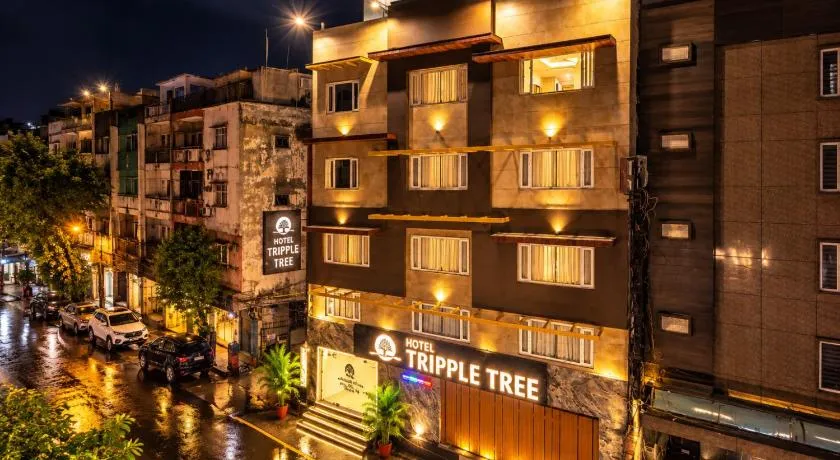
Put the address before the atmosphere
Keep the property name, written address and booking reference together. A river, a valley or nearby wine country can describe a broad area without identifying an entrance. If a map result and a confirmation disagree, ask the property to resolve the difference before departure. A saved screenshot helps when reception is poor, but it should record the confirmed destination.
Contact details also deserve a calm check. Use the hotel’s published telephone or email to ask which entrance serves overnight guests and whether reception arrangements change for a late arrival. Do not assume a gaming entrance leads directly to the hotel desk. Keep the reply with the reservation so everyone travelling together can find the same instructions.
A short confirmation sequence
- Match the property name and address to the reservation.
- Ask for the guest entrance and expected reception arrangements.
- Save the answer and share it with your travel companion.
Allow space for the last part of the route
The final approach can take longer than a main-road estimate suggests. Parking, finding a doorway and moving luggage are separate tasks. Ask about the actual route from a drop-off point if steps, uneven ground or a long walk would matter to you. A general promise of warm service does not answer a specific access question, so describe what you need plainly.
A river-valley arrival should leave room for ordinary interruptions. A delayed connection or a missed turn need not consume the whole evening. Avoid attaching a fixed dinner reservation to the earliest possible check-in time. If you plan an outing before reaching the hotel, decide where luggage will stay and how you will receive an update if the plan changes.
If your route changes on the day, send a short update with the revised arrival time and booking reference. Ask whether the original entrance instructions still apply. One clear message is easier to act on than several partial updates, and it gives your companion a reliable version of the plan to follow.
| Arrival method | Detail to confirm |
|---|---|
| Private car | Guest parking and the walk to reception |
| Taxi or transfer | The correct drop-off entrance |
| Public transport | The final connection and a backup route |
Separate reaching the hotel from entering the room
An arrival time is not always a room-access time. Ask when the reserved room should be available and what happens if you arrive earlier. Luggage storage, a place to sit and access to refreshments are useful questions, not services to assume. Keep essential medication, documents and a charger with you rather than burying them in a bag you may leave at reception.
- Keep a contact number available without opening a booking app.
- Carry the reservation details in a readable offline format.
- Leave the first activity flexible until the handover is complete.
Once inside, take a moment to locate the room and understand the return route from public areas. A beautiful lobby can be distracting when you are tired. Before unpacking fully, check the room against your practical needs. The article on river-view room comfort explains why window position, sound and lighting belong in that first look.
Author’s opinion
I prefer an arrival plan with one confirmed destination and a generous first hour. It gives the river setting a chance to become part of the stay instead of a backdrop to hurried decisions. My priority would be a clear entrance, an understood room handover and no pressure to reach the casino immediately. The evening can take shape after the bags are down.
Written by Sonia Wren Calderford. Published by Valley Stay Arrival Correspondence.